Medical Services for Dogs and Cats in Surrey
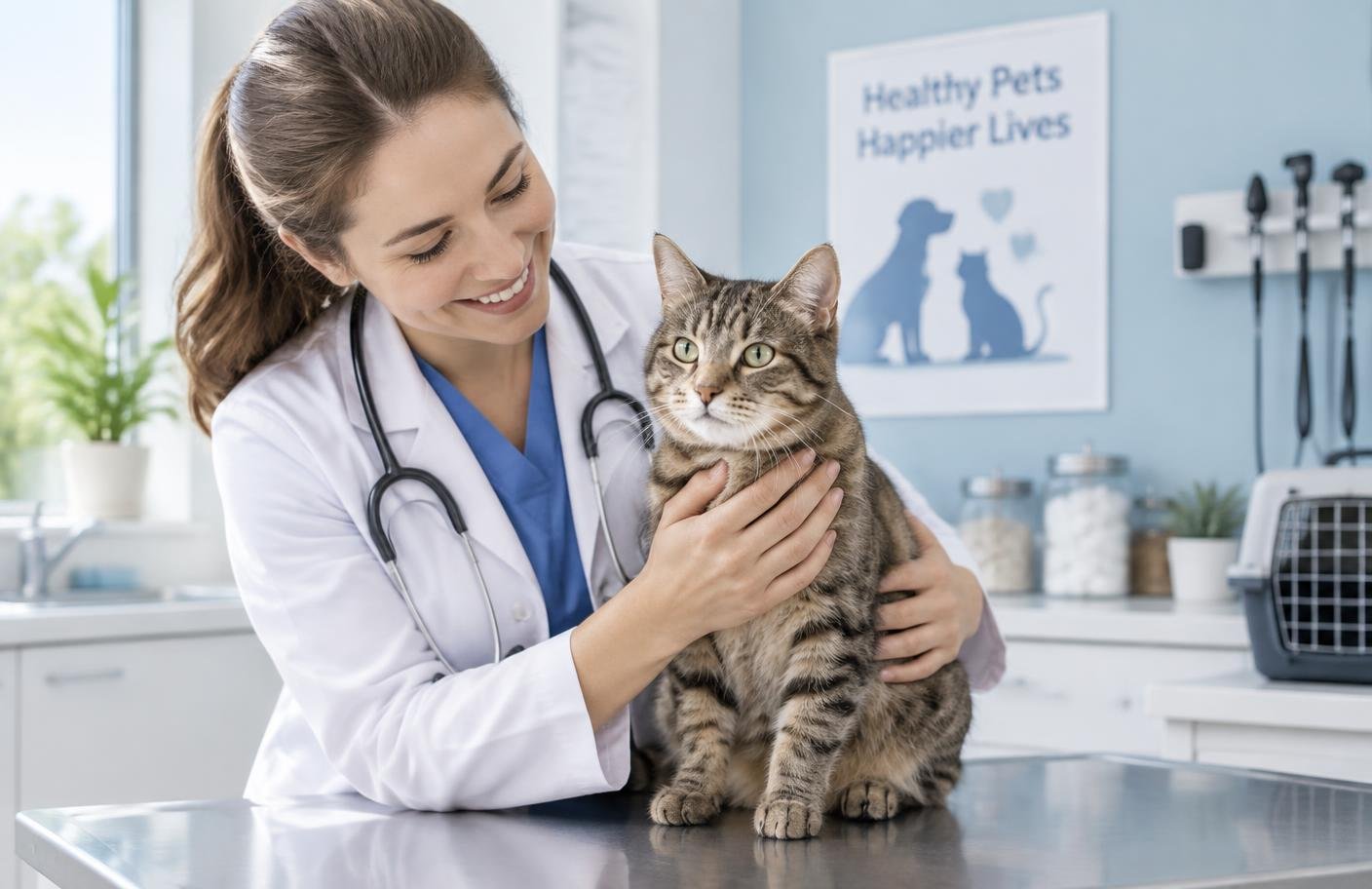
Veterinary medical services cover the non-surgical care of illness in dogs and cats. This includes assessing symptoms, running in-house laboratory work and imaging, and managing ongoing conditions such as skin allergies, digestive disease, hormonal disorders, and arthritis. The goal is to identify what is causing a change and keep the animal comfortable long term.
Skin, Ear, and Allergy Care in Surrey
Itching is one of the most common reasons dogs and cats are brought in, and it is rarely just dry skin. Recurrent ear infections, hot spots, hair loss, and constant licking of the paws often trace back to an underlying allergy, and the pattern matters as much as the symptom.
Working out the cause
We start with a physical exam and, where it helps, ear or skin cytology. Looking at a sample under the microscope tells us whether yeast, bacteria, or mites are involved, which changes the plan entirely.
Managing it long term
Atopic allergy is usually managed rather than resolved. That can mean a seasonal plan, a change of diet, or regular ear care. We would rather set up something you can sustain than something that works for a month.
Digestive and Gastrointestinal Care in Surrey
Vomiting and diarrhoea are common, and most episodes settle. What concerns us is the pattern: repeated episodes, blood, weight loss, or a pet that is also lethargic. Any of those may be a sign of something that needs looking into rather than waiting out.
Depending on what we find, we may suggest a blood panel, a faecal check, imaging, or a change of diet. Chronic gastroenteritis and food sensitivity both respond well to a structured plan, but the plan has to start with knowing which one you are dealing with.
Hormonal and Endocrine Conditions in Surrey
Several conditions that respond well to care in older pets are hormonal, and they often look like ordinary ageing at first. A cat losing weight while eating well may have hyperthyroidism. A dog that is drinking and urinating more, gaining weight, or losing coat may have hypothyroidism or another endocrine condition.
These are identified with blood work rather than by appearance, which is why we suggest a panel when the history points that way. Once a condition is confirmed, most are managed successfully for years with regular monitoring.
Eye, Dental, and Pain Management Care in Surrey
Eyes are time-sensitive. Squinting, discharge, cloudiness, or a sudden change in appearance warrants a prompt visit rather than a wait-and-see week, because the eye has little margin.
Pain is harder to spot. Dogs and cats hide it well, and osteoarthritis in particular tends to show up as reluctance rather than limping: slower on stairs, less interested in walks, sleeping in a different spot, or grumpy about being lifted. Cats stop jumping to the places they used to favour, which is easy to read as old age.
We assess mobility at every senior exam and build a comfort plan where it is needed. That usually combines pain relief with weight control, traction on slippery floors, and ramps or steps where a favourite spot has become hard to reach.
Urinary and Kidney Conditions in Surrey
Urinary problems are among the most common reasons pets are brought in, and in cats they can become urgent quickly. Straining, frequent small trips to the litter box, blood in the urine, or urinating outside the box are all worth a same-day call rather than a week of watching.
What we look for
A urinalysis and urine culture tell us whether infection, crystals, or stones are involved, and imaging shows us the bladder and kidneys directly. In cats, stress-related bladder inflammation is a frequent culprit and responds to a combination of environmental changes and diet rather than to clinical care alone.
Chronic kidney disease
Kidney disease is common in older cats and dogs and is manageable for years when caught early. It usually appears first as increased thirst and urination, and is confirmed on blood work and urinalysis. A plan typically combines diet, fluid support, blood pressure monitoring, and regular rechecks.
Heart and Respiratory Conditions in Surrey
A heart murmur is often found during a routine examination in an animal that seems entirely well, which is one of the better arguments for annual visits.
Coughing, reduced exercise tolerance, faster or heavier breathing at rest, and in cats any open-mouth breathing all warrant assessment. We start with a physical examination, chest radiographs, and blood work. Where the picture points to the heart itself, we arrange echocardiography through our specialist referral partners and then manage the ongoing care here, close to home, with the specialist’s plan in hand.
Breathing rate at rest is a figure you can track yourself, and it is genuinely useful. We will show you how to count it while your pet sleeps, and a rising trend is something we would want to know about early.
Diabetes and Long-Term Monitoring in Surrey
Being told your pet has diabetes sounds daunting, and most families find within a fortnight that it is more manageable than they feared. Increased thirst, increased urination, weight loss despite a good appetite, and in cats a change in the way they walk are the signs that bring it to attention.
Care is built around insulin given at home, a consistent feeding routine, and regular monitoring. We teach you the injections properly, in person, until you are comfortable, and most owners report that their pet barely notices them. Glucose curves and periodic blood work tell us whether the dose is right, and dose adjustments are normal rather than a sign anything has gone wrong.
Diabetic cats in particular can sometimes go into remission with early, well-controlled care and the right diet, which is a strong argument for acting promptly rather than waiting.
Senior Pet Medicine in Surrey
Older pets benefit from being seen more often, not because something is wrong but because change happens faster. Senior screening usually combines a full physical exam with blood work and urinalysis, which together give us a baseline for kidney function, liver values, and thyroid levels.
Finding a change early almost always widens the options. We see families from across Surrey, including Newton and the surrounding neighbourhoods, whose senior pets are doing well on a plan that started with one unremarkable blood panel.
When to Book Medical Services in Surrey
Call us if your pet is eating or drinking noticeably differently, losing weight, scratching constantly, vomiting repeatedly, struggling to settle, or behaving in a way that is simply unlike them. You do not need to know what is wrong before you call, and you do not need to wait until it is obvious. Describing what you have noticed is enough for us to work with.
It helps to write things down as you notice them, because the detail fades by the time you are in the room. A rough date when the change started, how often it is happening, and whether anything makes it better or worse will usually shape where we look first. Photographs and short videos of anything intermittent are genuinely useful, since the behaviour you are describing often refuses to appear during the appointment itself.
Good to know
Questions Surrey Pet Owners Ask Us
My dog keeps scratching but I cannot see fleas. What else could it be?
When is vomiting or diarrhoea worth a visit?
Does my older pet really need annual blood work?
Can you see my pet the same day if they are unwell?
My cat is eating well but losing weight. Is that normal?